
The New Zealand Ministry of Health describes post-traumatic stress disorder, or PTSD as a disorder that can develop after a person has experienced a traumatic event, such as an assault, or serious accident.
“It’s quite interesting because post-traumatic stress disorder fits into the broader family of anxiety disorders and yet it’s about something that’s already happened, not something that’s going to happen,” says Gerard Pauley, Head Clinical Psychologist from the Waikato District Health Board.
According to the Mental Health Foundation of New Zealand, 6.1% of adults (more than 200,000 people) had been diagnosed with anxiety disorders. This includes generalized anxiety disorder, phobias, obsessive-compulsive disorder and post-traumatic stress disorder.
Pauley, who took the time to be interviewed, says that the symptoms of PTSD are largely the same whether they are the result of emotional or physical abuse; however, symptoms vary depending on the particular experience to determine what could be triggering for the victim.
“As I say the difference between being involved in something like a car accident where what might be triggering for you is the type of car or the place where you had the accident, or something like that. Whereas opposed to something where it might be physical or sexual abuse it might be the characteristics of the person that can be triggering for you or what they wore, or their smell, or a particular catch-phrase could be something that people find triggering.”
Symptoms of post-traumatic stress disorder can range from hyperventilating and dizziness to irrational emotional responses, which Pauley compares to the “fight or flight” instinct.
Two of the main treatments for post-traumatic stress disorder are trauma-focused cognitive behavioral therapy or the more controversial EMDR otherwise known as eye movement desensitization and reprocessing.
“The key component of cognitive behavioral therapy is that the way we think affects how we feel and then how we behave. So if we can change the way we think, there-go we can the way how we behave.”
A coping method Pauley finds effective is to learn to regulate breathing, which can be practiced through a downloaded app.
However, Pauley recommends this be practiced at times when people feel calm, comparing the technique to that of falling from a plane, saying not to weave the parachute on the way down.
It’s more likely to be the complex experiences that are far too difficult for anyone to process on their own that would draw someone in to see a psychologist or a therapist.
According to Pauley, not all trauma leads to PTSD.
“For the vast majority of people who experience a relatively straightforward or a single-event trauma, probably over 80% of people get better without any particular intervention at all. What happens is that their mind finds a way of processing the event that they’ve been through and then they’re able to get on with their life.”
“It’s more likely to be the complex experiences that are far too difficult for anyone to process on their own that would draw someone in to see a psychologist or a therapist.”
“Normally what I say with most people is that if you can get into your normal routine as best as possible, talks about what your experiences were with people around you, often you’ll find that a lot of the symptoms start to resolve themselves within a few months.”
“If you find that they’re not, that’s probably a sign that something’s gotten stuck, and that might be an indicator that it’s time to go and see someone”.
Pauley says that anyone who is concerned that they may be suffering from PTSD should see their general practitioner.
“If it’s not sexual abuse or a kind of work-related trauma, then you’re probably looking at going to your general practitioner and then getting some help from them, and to think about whether or not to go to a secondary care mental health service.”
- Almost all work or sexual abuse related cases of post-traumatic stress disorder are covered by ACC, including counseling and access to mental health services.
- For breathing regulation apps, the Paced Breathing app for Android or Breathe+ Relaxation and Breath Training app for Apple are recommended.
Post-Traumatic Stress Disorder in children by Megan Hutt
Wendy Kelly, Clinical Practice Advisor for Victoria University’s School of Psychology has worked with PTSD and trauma for over 30 years. Her work began at the Wellington Sexual Abuse Help Centre in 1985, and she has worked with various aspects of trauma for her entire career. For 15 years she did assessments and treatment for the Ministry for Children (previously Child, Youth and Family), before moving on to working in mental health, including a children and adolescent mental health service.
In New Zealand, Kelly says that many children have traumatic experiences and may have a range of effects including anxiety, depression, shame and anger, as well as PTSD.
“If you think about the statistics, about 30% of children who have been sexually abused and 50% who have been physically abused will develop PTSD. Similarly about 30% children who’ve been neglected and who’ve witnessed domestic violence will have PTSD. Given the numbers of children in New Zealand who have been maltreated, and we’ve got studies from Christchurch and Dunedin about that, you’re looking at about 6-8% having severe abuse, suggesting a high number of children.”
Enlarge
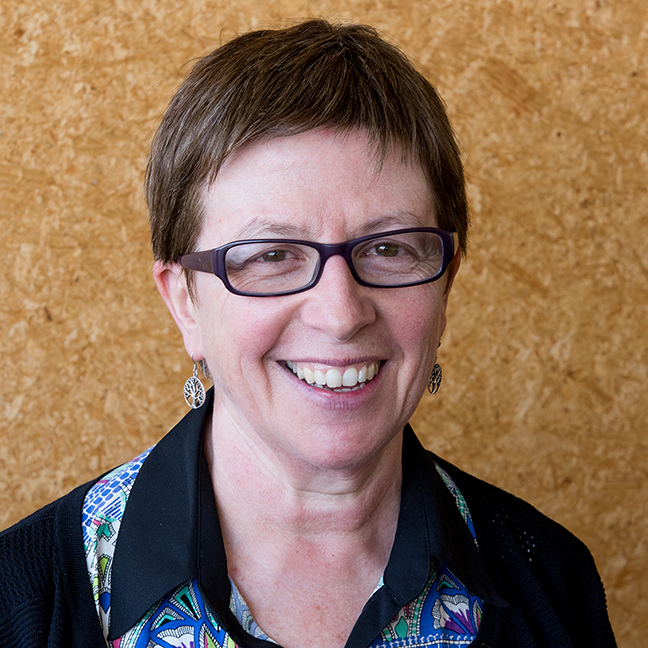
Wendy Kelly. Photo: https://www.victoria.ac.nz/psyc/about/staff/wendy-kelly
According to Kelly, common symptoms in children who are developing PTSD include the child being irritable and angry, lack of positivity, repetitive play, temper tantrums, nightmares, refusing to go certain places, and dissociation, which is a trance-like state in which the child may appear to be staring into space.
“If the child has been traumatised it is important for their parents to notice anything that’s unusual or different from how they used to be. So, it’s important that parents know what to look for and are able to talk to someone such as a counsellor and ask them about that.”
Kelly says that a common misconception surrounding PTSD in children is mistaking trauma symptoms for naughtiness: “A child might be overcome with distress and start screaming and yelling, and people will think ‘oh this child is being naughty’ but actually it’s a survival behaviour and the child has been triggered into trauma.”
Outside of working with her students, Kelly runs individual and family therapy for children and adults in a private practice.
“The difficulty for very young children is they don’t have words for what’s occurred to them and so it makes it hard to do treatment.”
“The difficulty for very young children is they don’t have words for what’s occurred to them and so it makes it hard to do treatment.”
One of Kelly’s most recent works is a book targeted at foster parents, and discusses ways to understand and manage foster children in their care who have suffered from a form of trauma.
“When kids come into foster care they usually have a lot of difficulties. They’ve got a high rate of mental health problems and so when they have a temper tantrum or they get really distressed it can be really hard to work out why they have got this stress.”
“I talk quite a lot about the effects of trauma and the kind of mental health problems that children in foster care have”
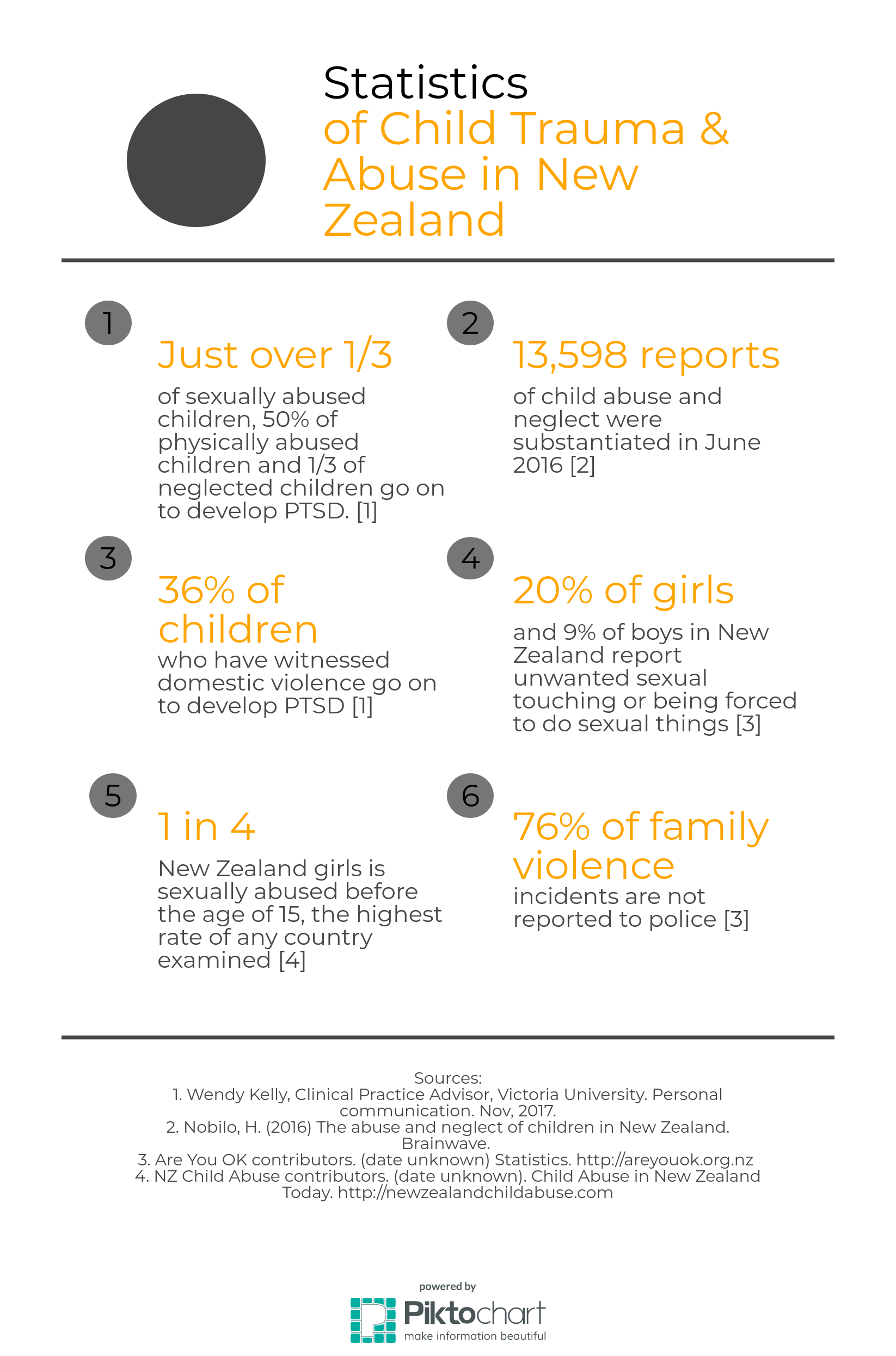
Kelly says that the book features exercises for foster parents to help deal with and improve the wellbeing of foster children suffering from trauma.
“Sometimes foster parents might know about abuse a child has suffered and sometimes they might not, so it can be very confusing to know how to help the child deal with whatever difficulty.”
Kelly uses the example of a child who sneaks food from the pantry.
“The foster parents might get really angry and think: ‘I’ve fed the child. Why are they taking things out of the pantry? I’ll lock the pantry.’ However if the child is frightened that they’re not going to get food, locking the pantry will make things worse. So helping the foster parents step back and think “why would the child be taking food or sneaking food? – Oh right’, they will start to learn it’s kind of like his insurance.”
“The parent can say something like ‘I know you didn’t always have food when you were little but you’re always going to have food in my house and even if we run out, I as the parent or the adult, will go out and get some more. You won’t need to worry about that.’”
Kelly’s eBook, Understanding Children in Foster Care: Identifying and addressing what children learn from maltreatment is now available online here.


