
global warming is real - it is happening now
All through history the earth has warmed up and cooled on its own terms. But the past century has seen an unusual increase in temperature on the surface of the earth mainly due to the greenhouse gasses produced as people burn fossil fuels. The rate of temperature increase has nearly doubled in the last 50 years. And the graph is not likely to fall anytime soon.
The natural greenhouse effect maintains the temperature of the earth which makes it possible for all the life forms to survive. However, since the industrial revolution, there has been a significant elevation in human activities, which has enhanced the greenhouse effect causing the earth’s temperature to rise by 1°C, and the result of it is the global warming we are facing today. The effects of global warming are catastrophic. The biggest of them all is the rising of the sea level because of the melting of the mountain glaciers, the Arctic, Antarctic, and the Greenland ice. And this is in turn will affect wildlife.
As time goes by, hurricanes and cyclones are likely to become stronger, floods and droughts are going to be more common, water-borne diseases will spread, and ecosystems will change.
Even though it is already too late to reverse the damage, there is still some time left to conserve planet earth the way it is for future generations. But it involves major lifestyle changes. These are not easy.
We owe it to them, to all the beings of the planet, and the planet herself.
Enlarge
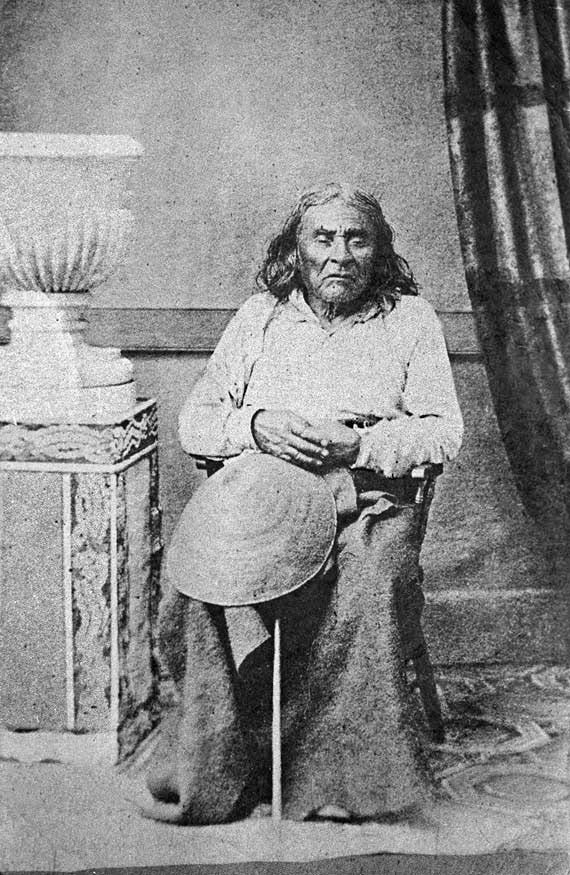
Author of photography: LB Franklin "Sammis"
“Our God is your God. The earth is precious to him and to harm the earth is to heap contempt on its Creator. Your destiny is a mystery to us. What will happen when the buffalo are all slaughtered? The wild horses tamed? What will happen when the secret corners of the forest are heavy with the scent of many men and the view of the ripe hills is blotted by talking wires? Where will the thicket be? Gone! Where will the eagle be? Gone! And what is it to say goodbye to the swift pony and the hunt? The end of living and the beginning of survival.” – Chief Seattle
In New Zealand one effect of global warming is warmer summers which have resulted in native beech trees over producing fruit which, in turn, attracts predators of native birds. The overproduction of fruit is referred to as a mast.
Beech trees fruit attracts rats and mice which are the main source of food for stoats.
Each year during the summer months stoats breed heavily and their increased numbers outweigh the native birds such as kiwi, mohau, kaka, kea and some at-risk species of bats and snails.
With the stoat population growing many native species suffer significant losses.
Enlarge
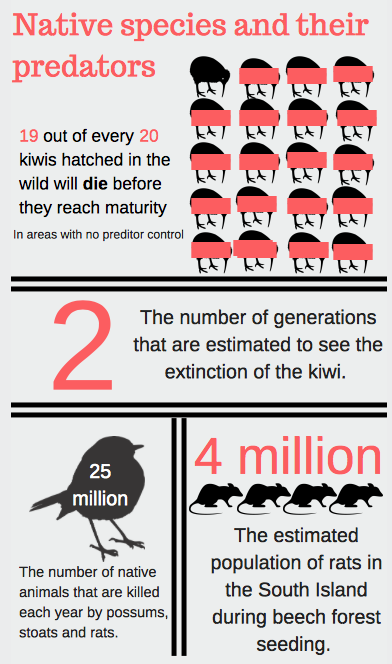
Infographic by Heather Williams
Department of Conservation scientist Graeme Elliot fears the increased fruit produced due to the warmer climate will soon result in the extinction of some iconic native birds.
In recent years research has seen a steady decline of birds such as the mohua.
Native birds such as the kiwi, kaka, kea and whio who nest in burrows or on the ground are most susceptible to predators who take advantage of the birds’ defenceless chicks.
During February and March, scientists classify high-risk areas by assessing the amount of seed.
Higher density seeding suggests a higher rodent population which is translated into a higher risk area for native birds and other species.
The Department of Conservation prioritizes areas of high risk and assesses them for the best method of pest control.
The controversial use of 1080 poison has been shown to reduce large numbers or rodent and stoat populations which hopefully maintains native bird numbers.
During significant masting years, kea nests are 99% more likely to be attacked.
“If you go into a forest anywhere in New Zealand, that hasn’t had any pest control, the thing that strikes you about it is that it’s incredibly quiet – because our forest is buggered. The predators have been gobbling their way through our forest birds for the last 100 years,” said Graeme Elliott.
Love Your Backyard carbon footprint
New Zealand sets an example for being a green country and 29% of its land is covered in forest. But it is still responsible for emitting an average of 82 million tonnes of greenhouse gases every year. This figure can only be reduced by educating people on the importance of protecting the environment. Increasing use of sustainable resources is the most effective way to reduce the Carbon footprint. As well, stopping deforestation and planting more trees is effective. Every little change in later lifestyle can make a huge difference in reducing the carbon footprint.
‘Love my backyard’ is one of the initiatives taken by the Government of New Zealand through Conservation Week. People collected in groups in various places around the country from October 14-22 with the goal of spreading awareness on the importance of nature and how every one of us is responsible for mother earth.
One of the many events focused on the magnitudes of carbon footprint. An act as simple as gardening can play a massive role in living a more sustainable life.
Enlarge
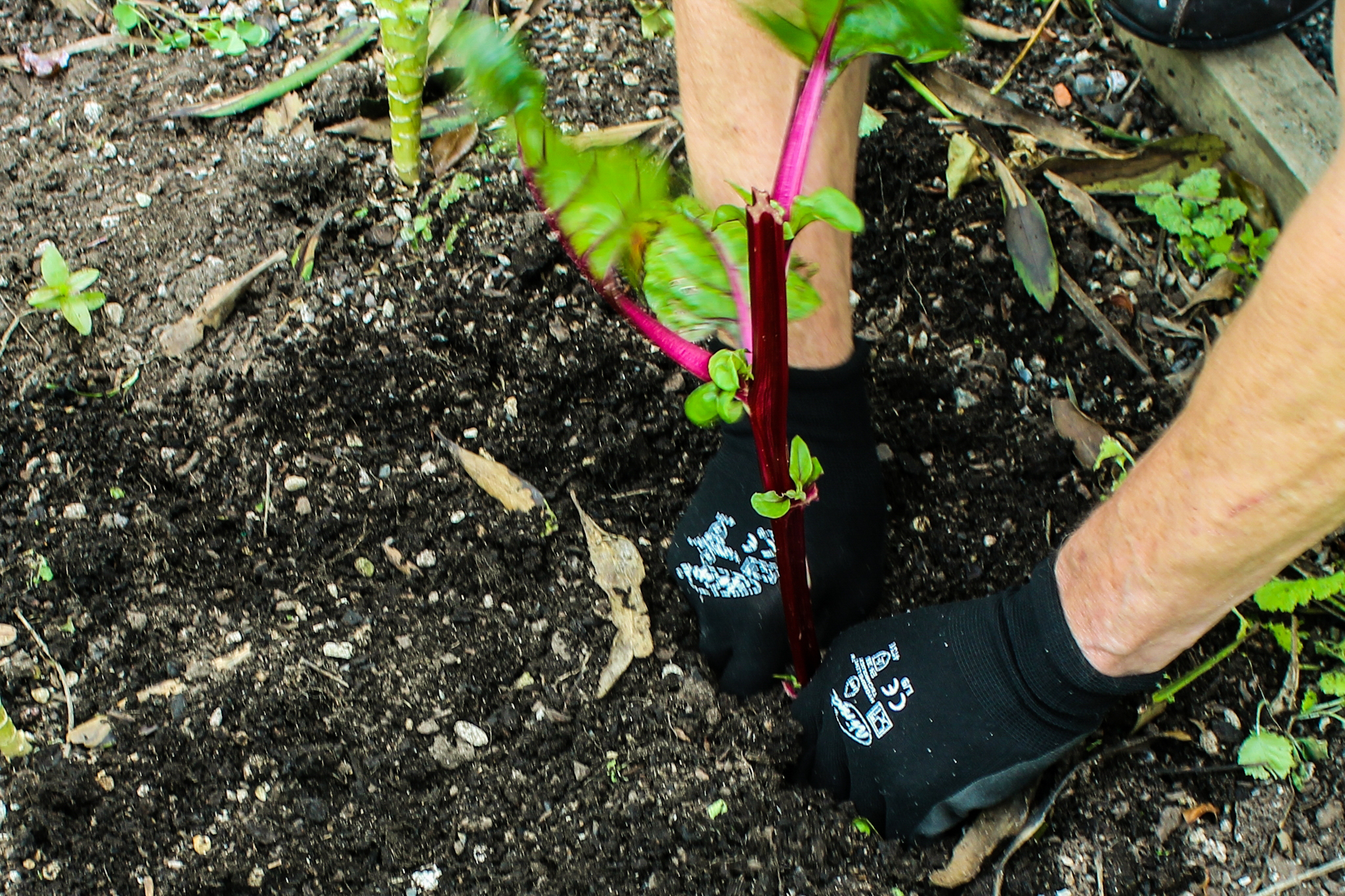
EeshaniDinesh
Gardening done well can significantly benefit the environment and help fight against climate change. For an average individual, about 8% of the carbon footprint comes from food, of that, 28.5% is from transporting the food, and 10% is from consuming it. By growing as much food as possible such as vegetables, roots, and fruits, these percentages can be cut.
Simply by growing seasonal plants at hand’s reach, such as peas and lettuce, reduces the need for heavy fertilizers. Planting native plants in the garden is always advisable because they are used to the local climate and requires less nurturing than non-native plants.
Enlarge
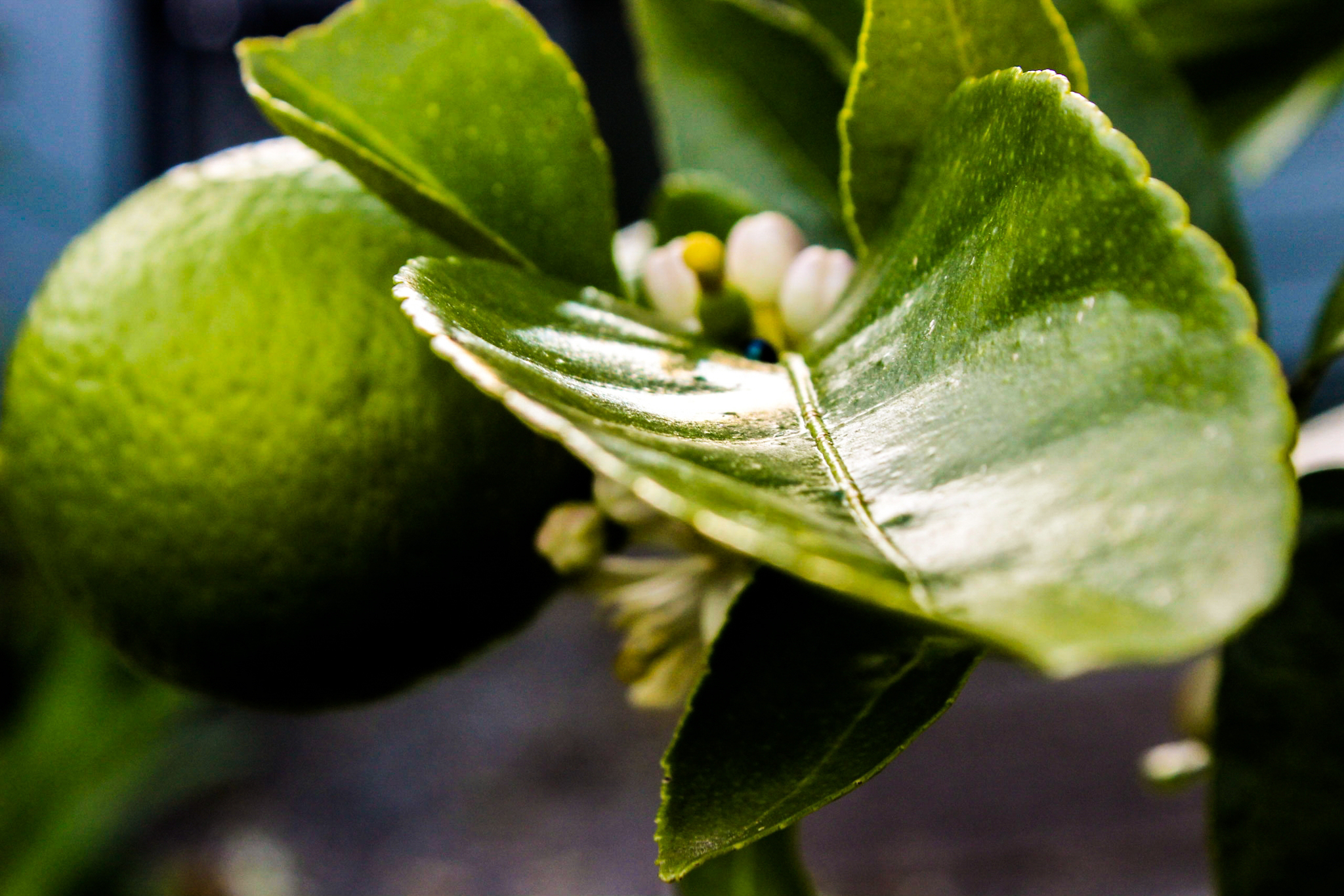
EeshaniDinesh
Avoiding fertilizers is another big step towards creating a carbon neutral garden, and compost is the solution. Composting food and yard scraps at home reduces the amount of waste transported to landfills or sent to incinerators, plus it creates nutrient-rich soil. By using compost, manufacturing, packaging and transporting energy is conserved.
The next important thing in a carbon neutral garden is water harvesting. Water use, if from a mains supply, has to be pumped, filtered and treated. Hence it is more effective to conserve water in a rainwater tank. Hard landscapes create water runoff and cement costs energy in production, while soft landscaping will be carbon footprint decreasing.
Reduce, reuse and recycle at every stage possible; don’t waste that patch of soil in the front yard; plant trees at every opportunity you get.
Trees are like lungs of planet earth, they breathe in carbon dioxide and breathe out oxygen, and in the process, they provide us with carbohydrates and energy. They keep their surroundings cool and give shade. They reduce urban runoff and soil erosion. Soil disturbance and increased rates of decomposition in converted soils both create carbon dioxide emissions. They absorb sound and reduce noise pollution. They significantly slow down ozone layer depletion by reducing air pollution. And most important of all, they provide a habitat.
“The earth does not belong to man, man belongs to the earth. All things are connected like the blood that unites us all. Man did not weave the web of life; he is merely a strand of it. Whatever he does to the web, he does to himself.”
-Chief Seattle
A new flourishing home for native plants and birds
Waiwhakareke is Hamilton’s largest award-winning gully restoration project that focuses on repairing the eco-system to its former glory.
The people involved in the restoration currently hold the award for Ecological Restoration Australasian award for Restoration Excellence and is known internationally for its contribution to science.
The 60-hectare park is Hamilton’s conservation efforts to restore native forests, wetlands lakes, gullies and parks.
In the 19th century European settlers began clearing land for farming.
Now, ecological restoration, and returning the land to native bush, is becoming increasingly popular. Governments are more becoming more involved in restoring local ecosystems damaged by the human impact.
Enlarge
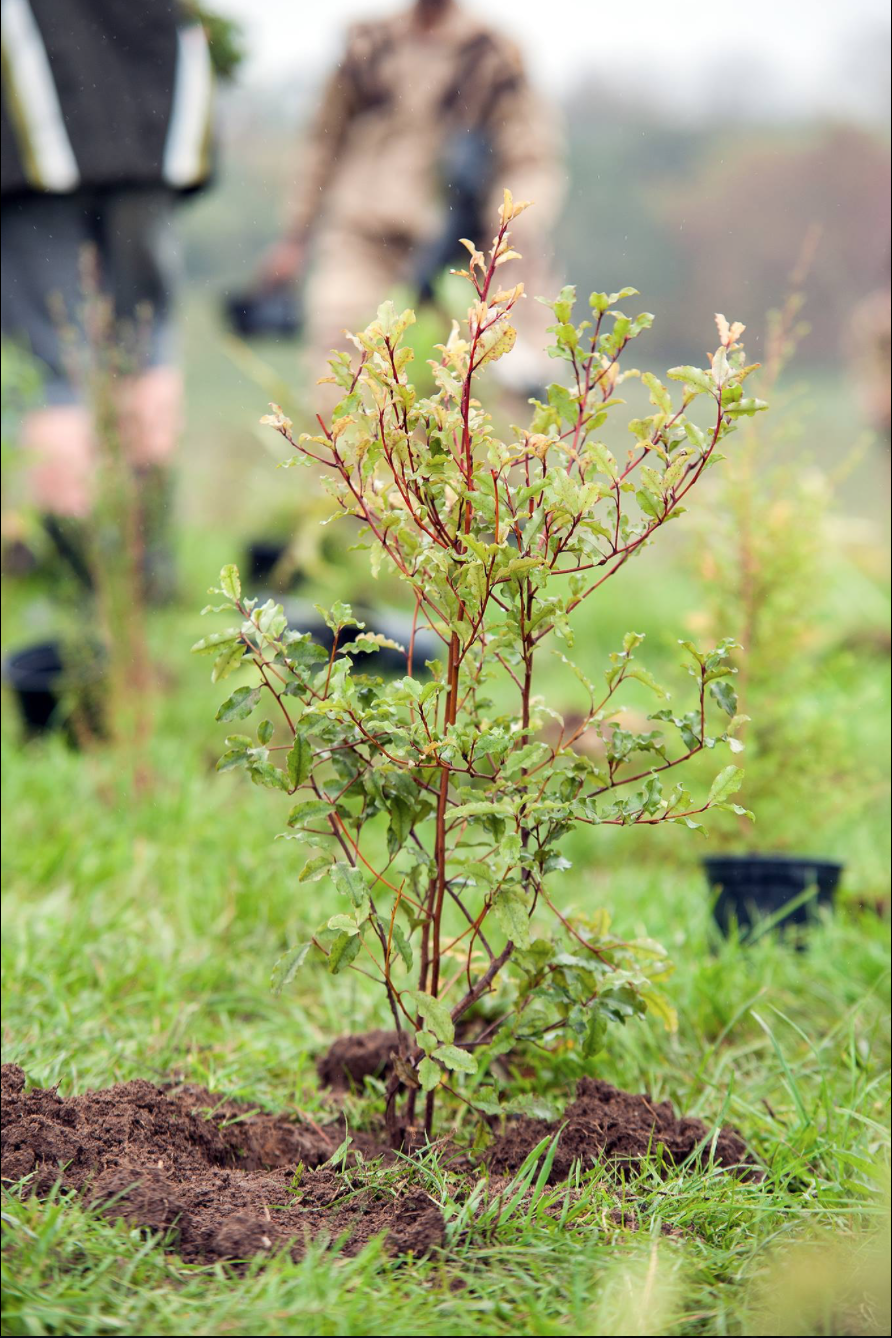
image supplied by: Waiwhakareke Natural Heritage Park Facebook
“Everybody thought there was nothing that could be done in Hamilton, that it was too far gone. But we have definitely made a significant contribution,” said Waikato University Professor Bruce Clackson.
With the approaching summer, the focus of the monthly gatherings is on education, predator control, and weeding the area to allow species to flourish in the inner-city environment within the next 500 years.
Hamilton urban areas have dwindled significantly with only two percent of native habitats remaining in the area.
Over 26 hectares has since been re-established with native plants, which are thought to help rejuvenate the tui and kereru.
The area holds a wealth of knowledge
The Waikato Hamilton East Regional Council office managed to capture on video tui returning to the area.
Members of the council were excited to see the tui playing freely outside their window. It was a sight that would have been rare before projects like Waiwhakareke Heritage Park and Hamilton halo started in 2004
The areas growing plant population has resulted in introduced species leaving the area as the seeds bring more natives.
“Maybe they’re being out-competed by the birds that have been here a little bit longer,” said Neil Fitzgerald.
The local Hamilton City council has donated $315,000 for the next four years which will be designated for planting, weeding and native bird conservation.
Local nurseries like the Tamahere Community native nursery has been essential in the area’s development, providing the project eco-sources seedling.
Enlarge
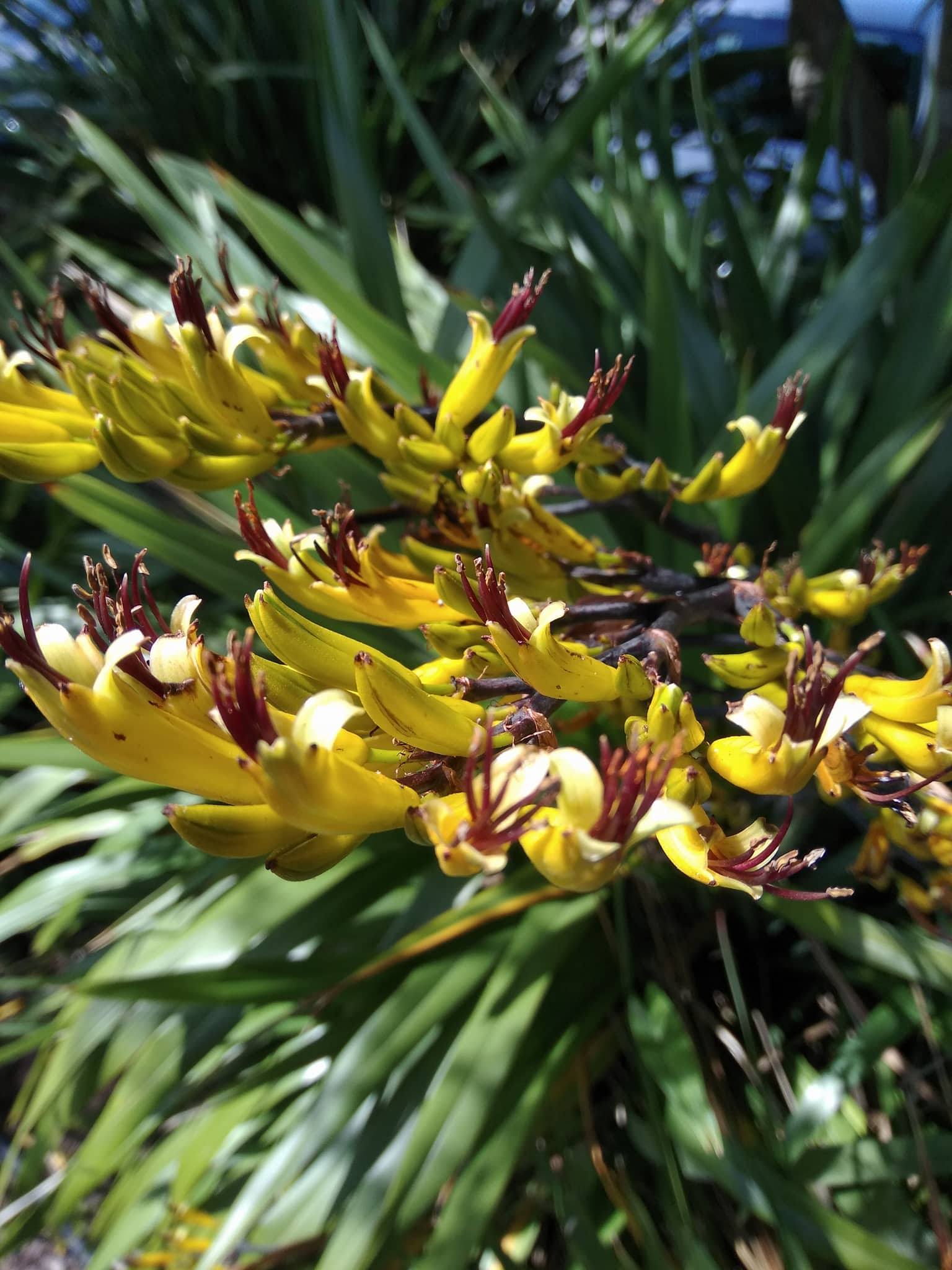
photo by: Heather Williams
Jan Simmons, The Co-Founder of the Tamahere community native nursery has put her heart and soul into the conservation of the Waikato.
“I am just passionate about all aspects of growing native plants for restoration projects,” Jan Simmons said.
As a member of the Department of Conservation, she freely shares her knowledge with communities through her Waikato Biodiversity forum.
A combination of volunteers and contractors have, over the past 12 years, used only eco-sourced seeds collected by Council and community nurseries to ensure the area maintains the appropriate habitat for local species.
This method allows local species to thrive and provide the area with the best chance are maintaining the plant population.
The Department of Conservation is hoping to restore the estimated 750 hectares surrounding the Waikato and encourage future generations through education and outreach programs to engage the community.
Enlarge
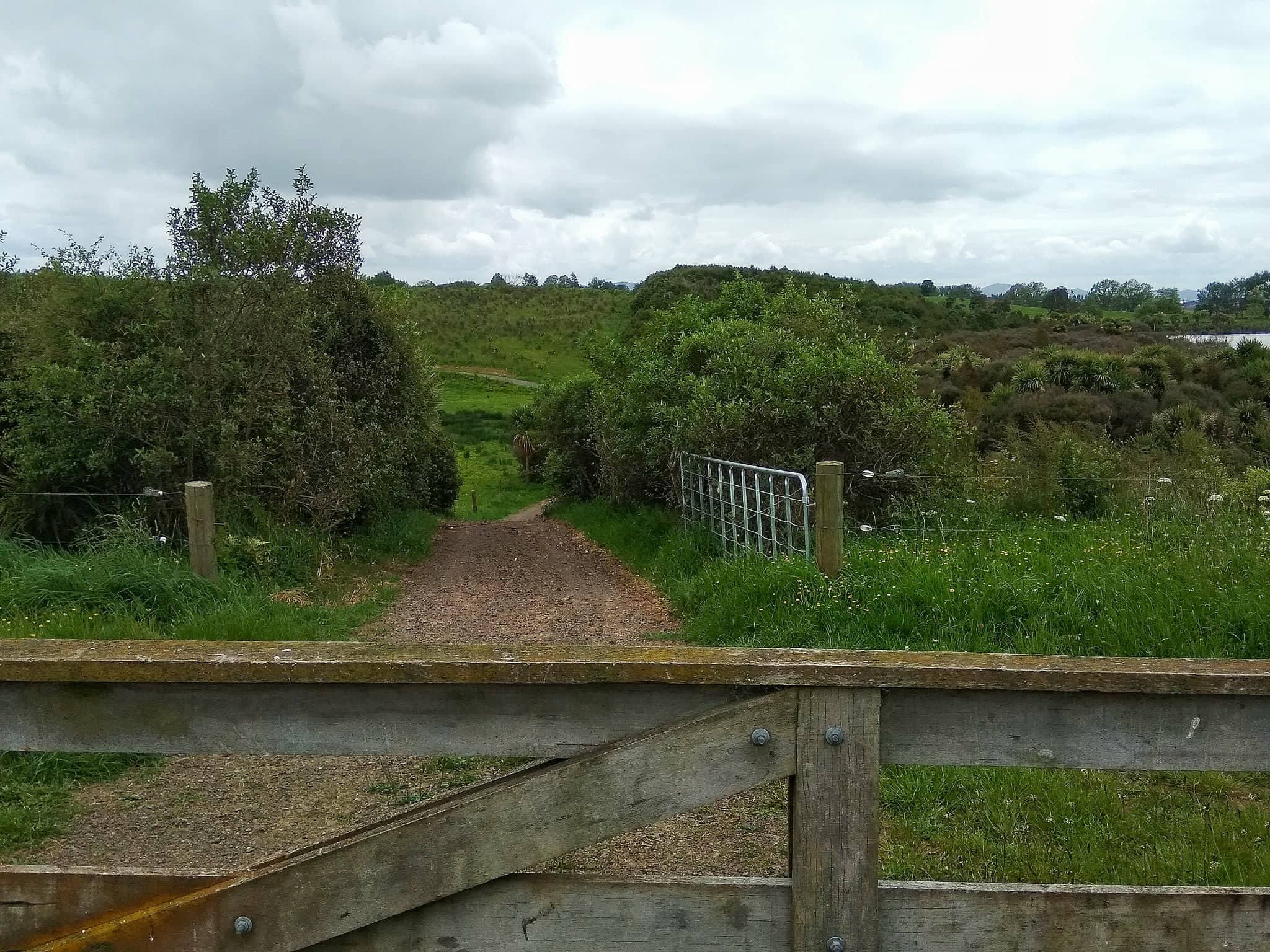
Photo by Heather Williams
Waikato University Centre for Biodiversity and Ecology Research worked closely with the Hamilton City Council to monitor growth rates and undertake soil studies in the area to ensure the best results for the gully.
As the park is located close to the Hamilton Zoo, it is the perfect place to expand education on wildlife protection with visitors.
More than 8000 school trips are funded by the Ministry of Education to experience outside classroom activities which encourage conservation of animals and native plants.
The Hope for the Zoo is that Waiwhakareke will provide an educational experience for visitors
“The area holds a wealth of knowledge,” said Professor Bruce Clackson.


