
Raglan is setting the bar for zero-waste By Aasha Parle and Candice Gollan
Raglan, a small unassuming town, has been making big changes for the health of our planet. Xtreme Zero Waste is a community enterprise working on diverting waste from landfills.
Xtreme Zero Waste has been contracted by the Raglan Resource Recovery Centre to collect potentially re-usable waste weekly.
A spokesperson and employee of Xtreme, Nenya Chapman, said the inspiration behind the company came from the Raglan community.
“We want to reduce leachate seeping into our harbour from the old landfill, turning Raglan’s waste into resources, and divert as much waste from landfill as possible,” said Chapman.
Xtreme has been running for 18 years and employs 30 people. They facilitate weekly kerbside collections, food waste collection, a wide range of recycling, and pre-paid bag services.
The long-term goals of Xtreme are to have Raglan be a zero-waste community by the year 2020 and, so far, Chapman thinks they are on track.
The Raglan Four Square supermarket is another establishment passionate about the zero-waste movement. The shop has banned plastic bags from its store and has replaced them with compostable eco-bags. Patrons can use their own bag for their shopping or be supplied with a cardboard box and compostable bags.
Harshi Bains, a spokesperson for the supermarket, was kind enough to give us some insight into the motivations for Four Square to go plastic free.
“The community around Raglan and the cut-down on plastic bags is what motivated us to make these changes,” said Bains.
Enlarge
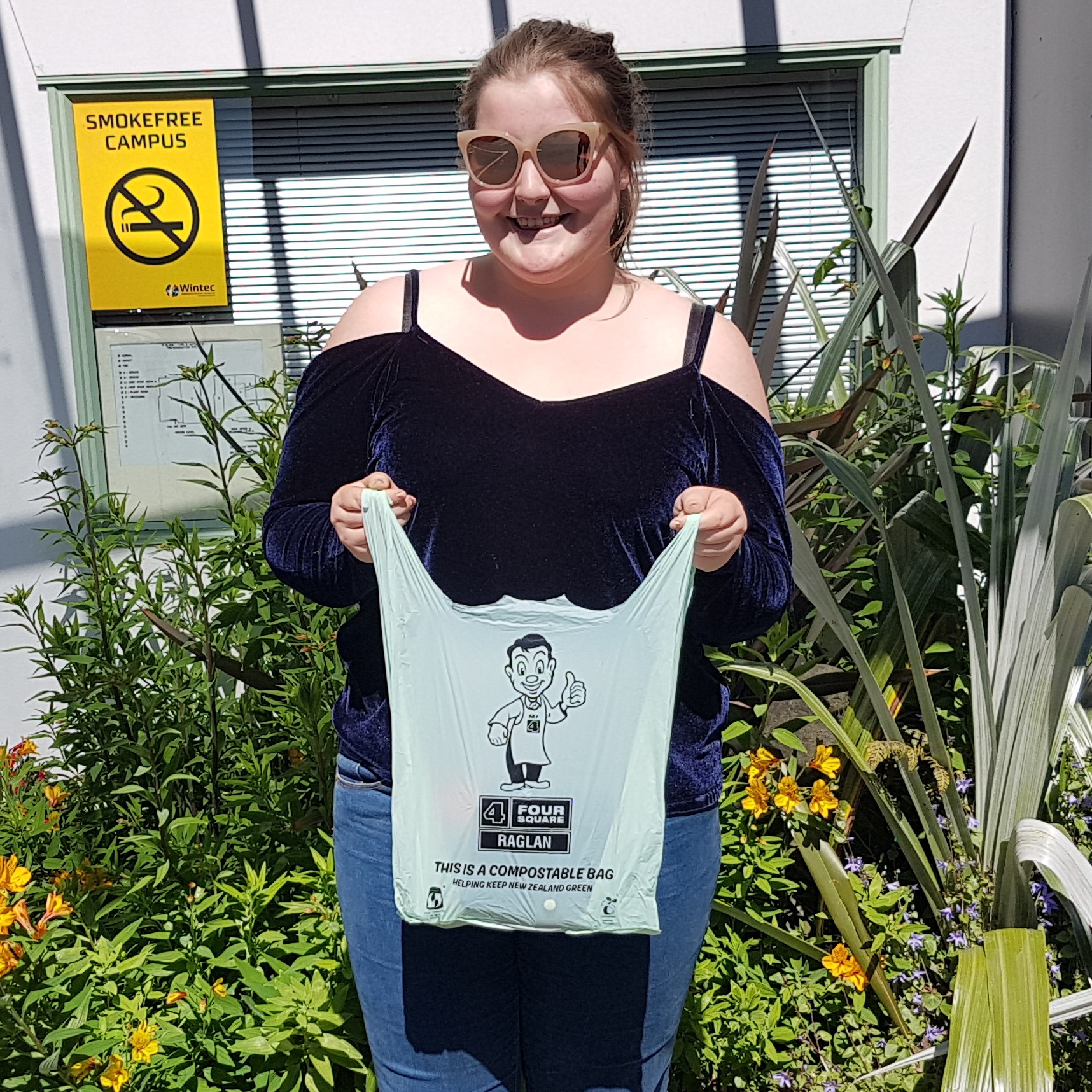
Photo by - Aasha Parle
Xtreme Zero Waste won the 2017 Waipa Business Awards for Excellence in Large Business and Sustainability and Community contribution, for which Raglan Four Square was also nominated.
The community around Raglan and the cut-down on plastic bags is what motivated us to make these changes
Raglan is a popular tourist destination in summer and this is where the problem lies.Thousands of beachgoers leave rubbish around the town’s environs. This is why Raglan has tried to implement these changes such as the compostable eco-bag. Down at the beach, they have multiple recycle bins, for different products. These products include: plastic, glass, paper, and the rubbish that does not fit into these categories goes to the landfill.
Enlarge

Photo by: Candice Gollan
Four Square is also broadening its zero waste horizons. “We are working with Xtreme waste to source more ways to reduce waste in Raglan.”
With over 70 businesses in Raglan reducing their waste and going plastic free, Bains expects the rest of New Zealand to follow suit.
Zero-Waste Movement: Past and Present By Candice Gollan
Her environment was poisoning her
The Zero-Waste Movement is a notion that has been around for many years but is now gaining momentum.
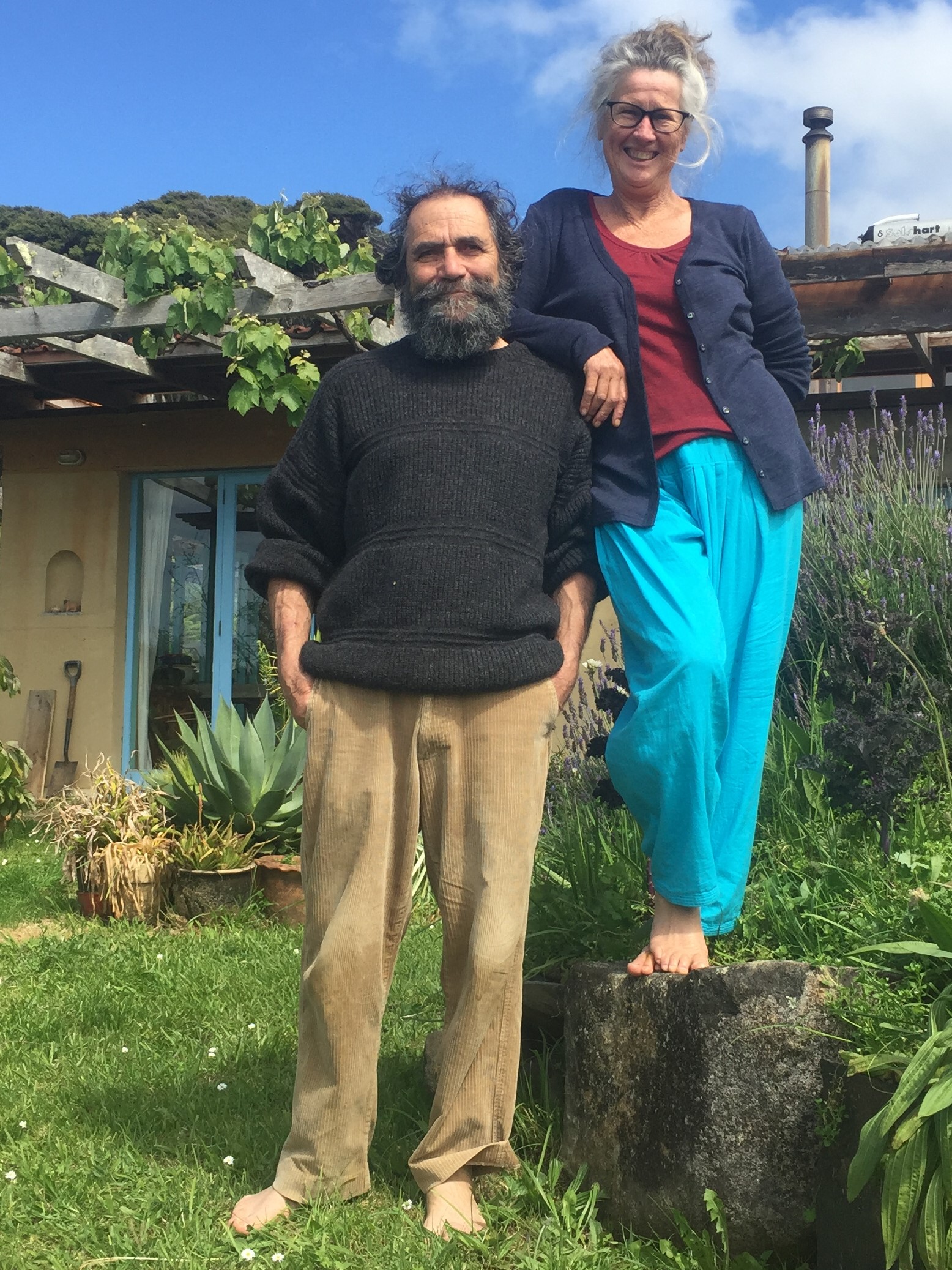
Xavier Meade and his wife Carolyna built an earth house in Raglan more than 17 years ago. Meade said that they just wanted to have a healthy lifestyle.
“My partner kept getting very sick. Her environment was poisoning her,” said Meade, a lecturer at Waikato Institute of Technology.
The couple lived in the Raglan township before venturing into the country to find themselves a bare block of land.
Meade and Carolyna built most of the house themselves. Meade emphasised that they hired local earth movers that were 500 metres down the road, so they could support local businesses and cut down on emissions.
Enlarge
Candice Gollan
“Not every earth is good for building. Some have too much sand or clay and ours had too much clay,” said Meade
Other sustainable products that were used included a German paint so non toxic you could drink it.
The timber used within the home is treatment-free.
Features within the home include a compostable toilet (which helps to feed the fruit trees), solar water heating, 35 cm-thick walls, north-facing windows, and a water supply separate from the township.
The land that the house was built on is 60 percent native bush, a feature Meade is proud of.
“I was familiar with this section because my friend who owned it used to ring me up to come and look at some boulders. When Carolyna kept getting sick I gave him a call and here we are now 17 years later,” said Meade.
Cambridge woman, Sam Brydon, has been following in Raglan’s innovative foot-steps. Brydon is trying to reduce waste from plastic bags by making her own reusable bags.
Enlarge
The bags are made from second-hand net curtains, chiffon and voile put together with second-hand ribbons and sewing thread.
Brydon said that she has always been concerned about the “stuff” humans are making or disposing of.
“I have tried to limit my own consumption for a few years now,” said Brydon.
More recently Brydon joined the Zero Waste in NZ Facebook page and watched a Netflix documentary called: “A Plastic Ocean”.
“I felt compelled to do something to try and influence others to cut their use of single-use plastics,” said Brydon.
After making the first batch of her reusable bags, she plucked up the courage and approached her local and favourite veggie store in Leamington when she was paying for her shopping.
“I am a regular there and spend a lot of money there. They were initially a bit reluctant, but too polite to say no to me,” said Brydon.
After posting in “The Cambridge NZ Grapevine – Info Sharing Group” that 16 of her reusable bags were available at the local veggie shop, they sold out within hours.
Brydon has been left “totally and utterly” shocked at the interest in her reusable bags.
Brydon has been struggling with the demand to make them. She has even posted on the Facebook group asking if anyone would like to help her make them because the demand is so high. Brydon works full-time and makes these bags with no profit margin.
“The cost of second-hand net curtains, ribbons and thread varies widely from op-shop to op-shop but is generally surprisingly expensive. The bags cost on average $2 to make when you account for materials, sewing machine repairs, equipment like scissors and rotary cutters. So, I break even.”
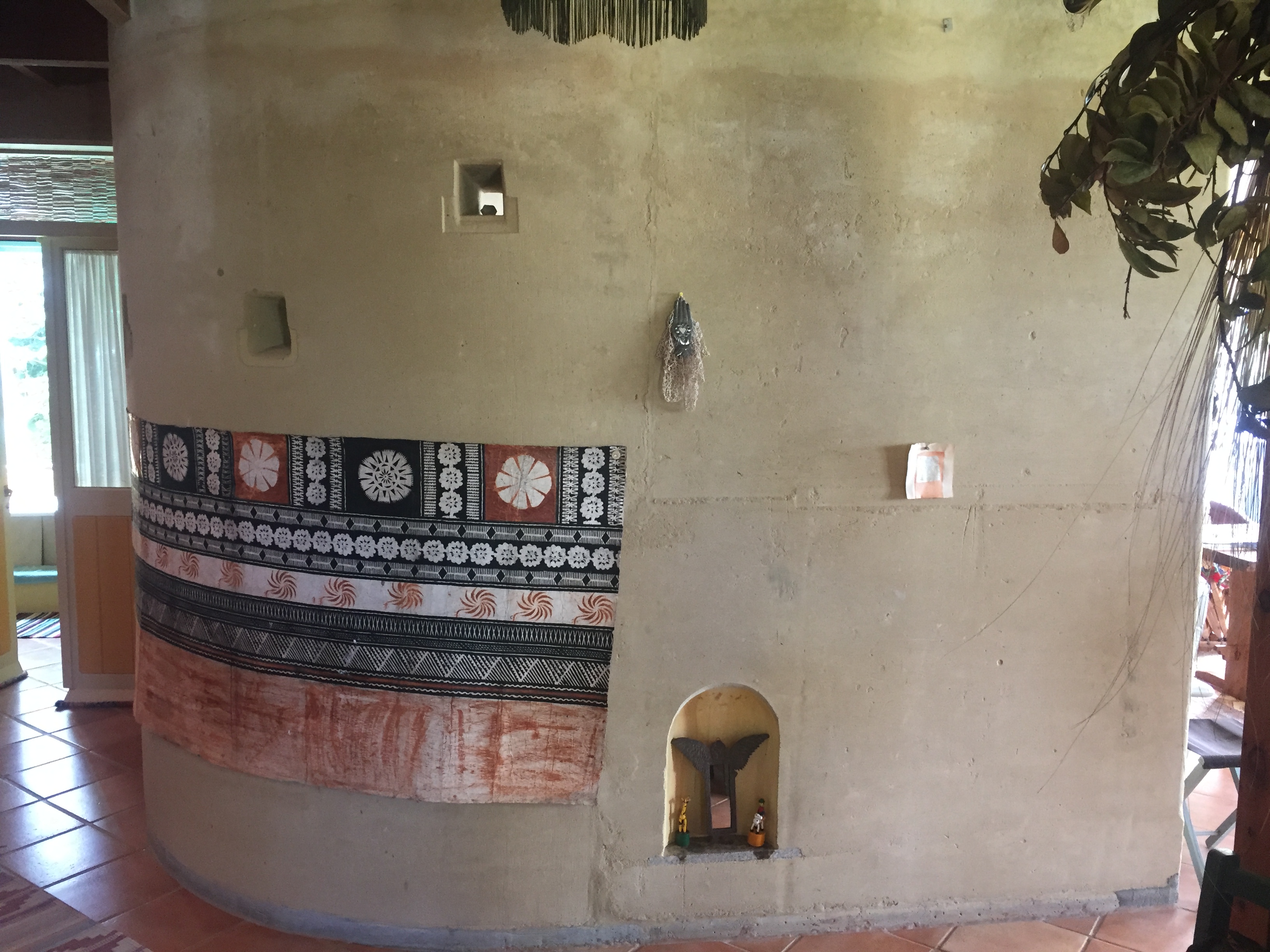
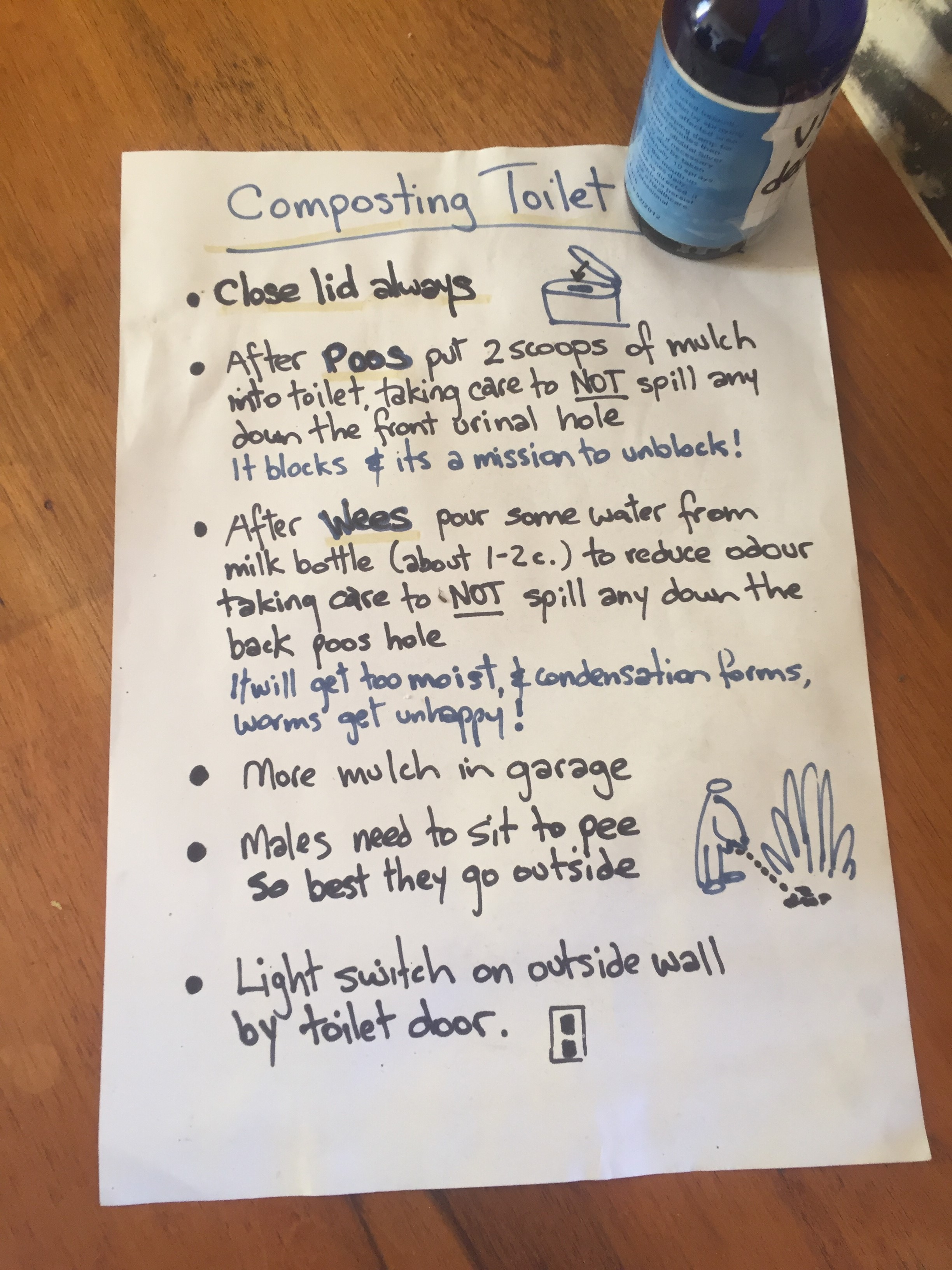
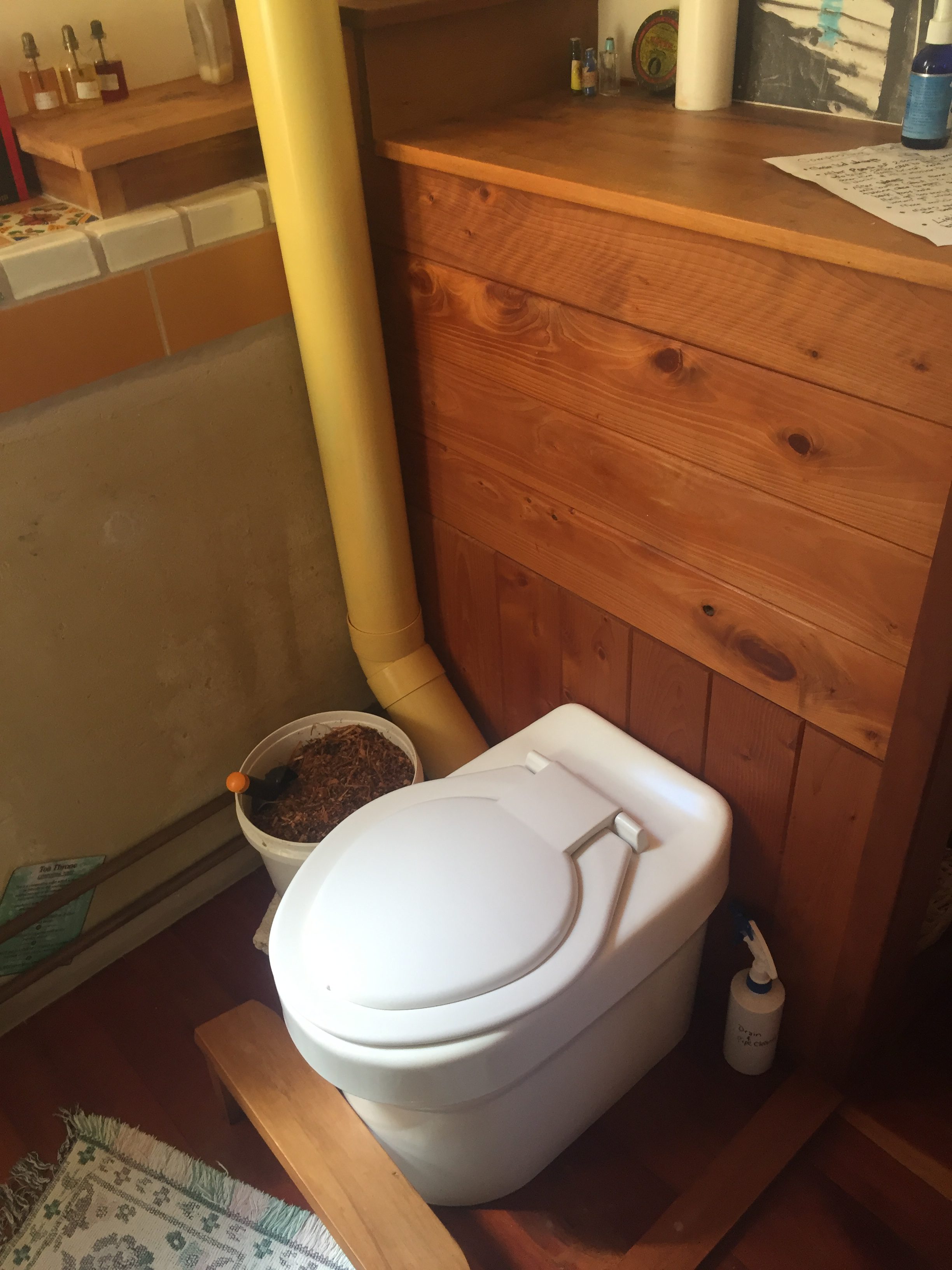

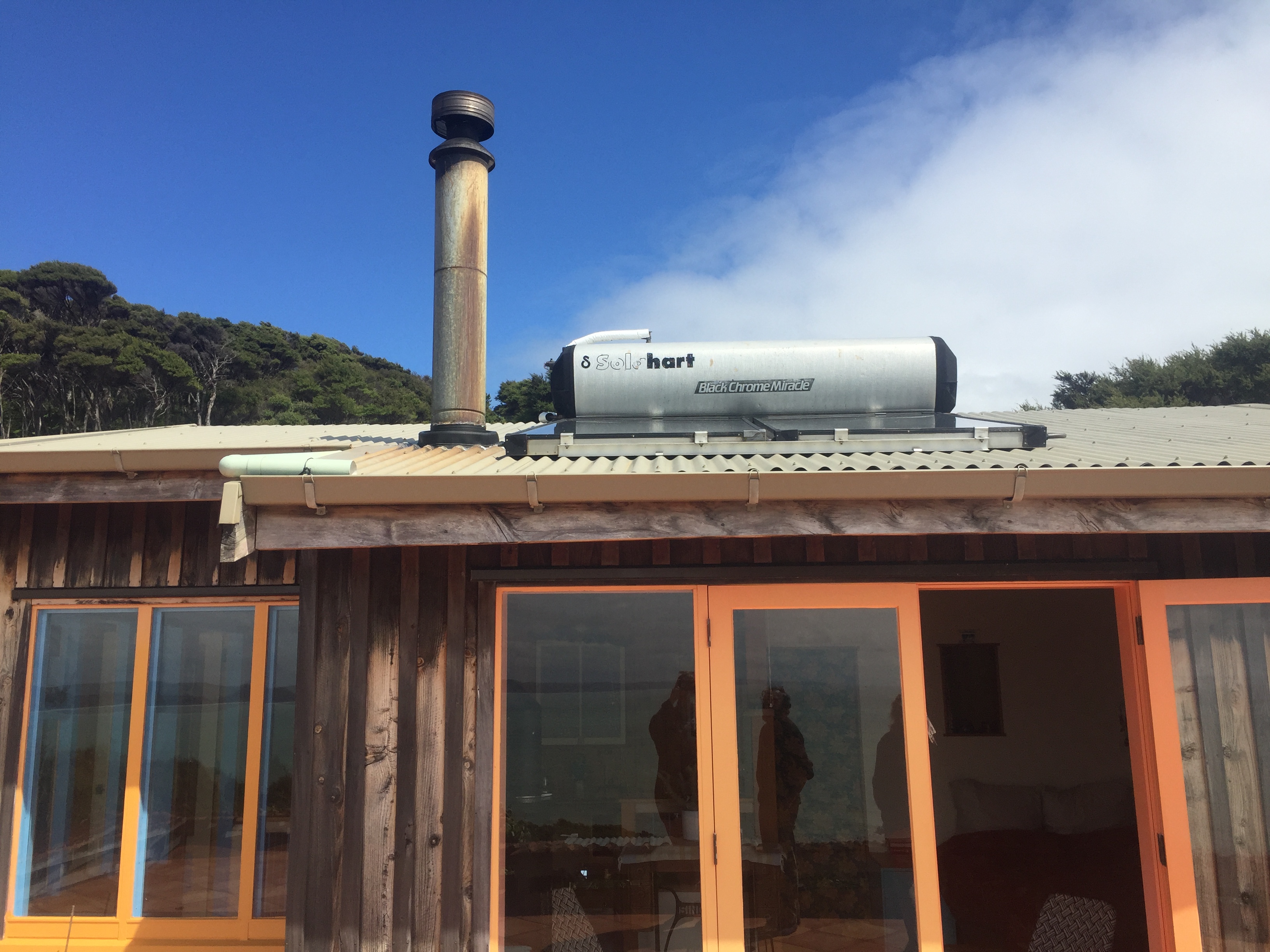
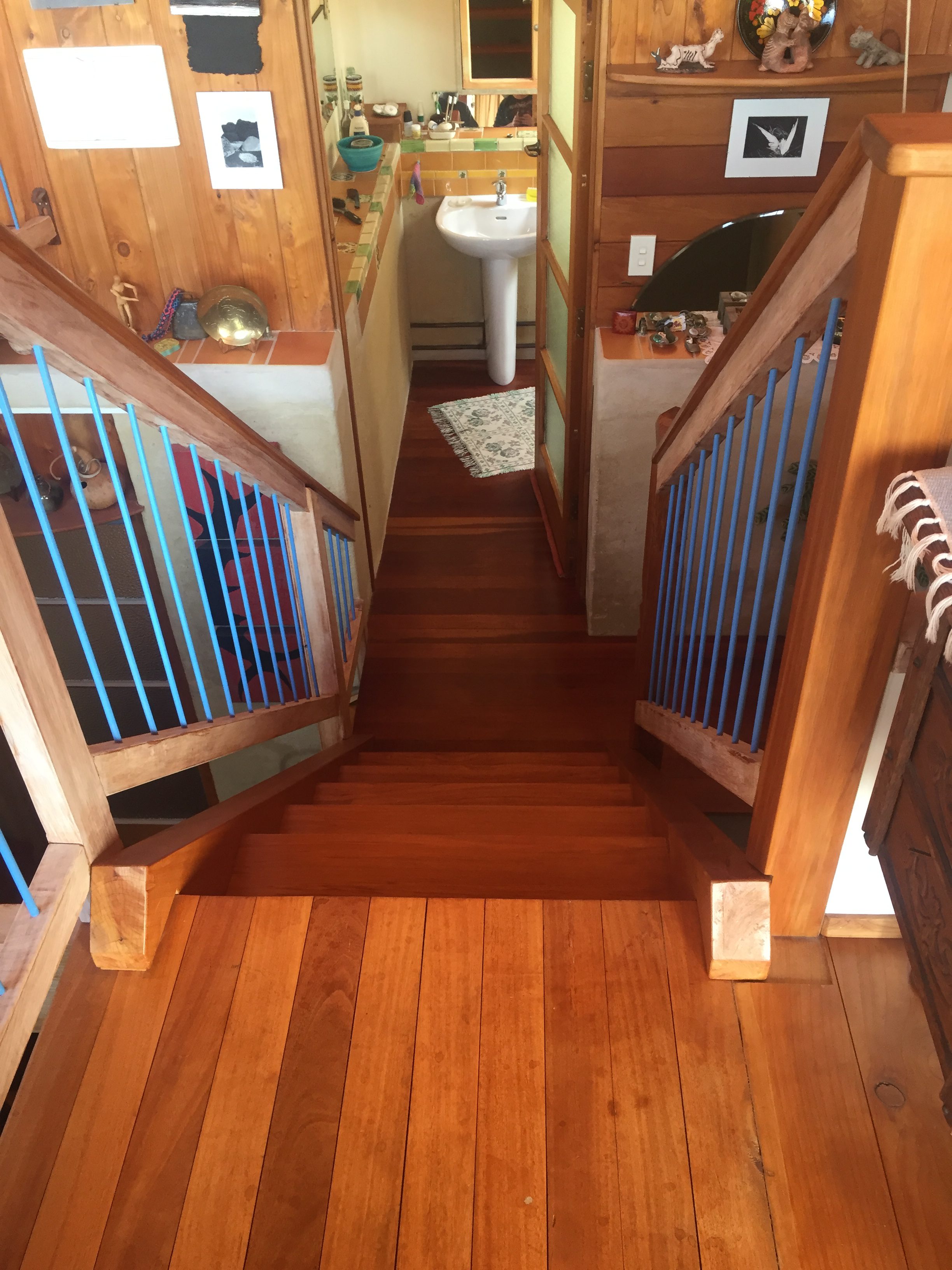
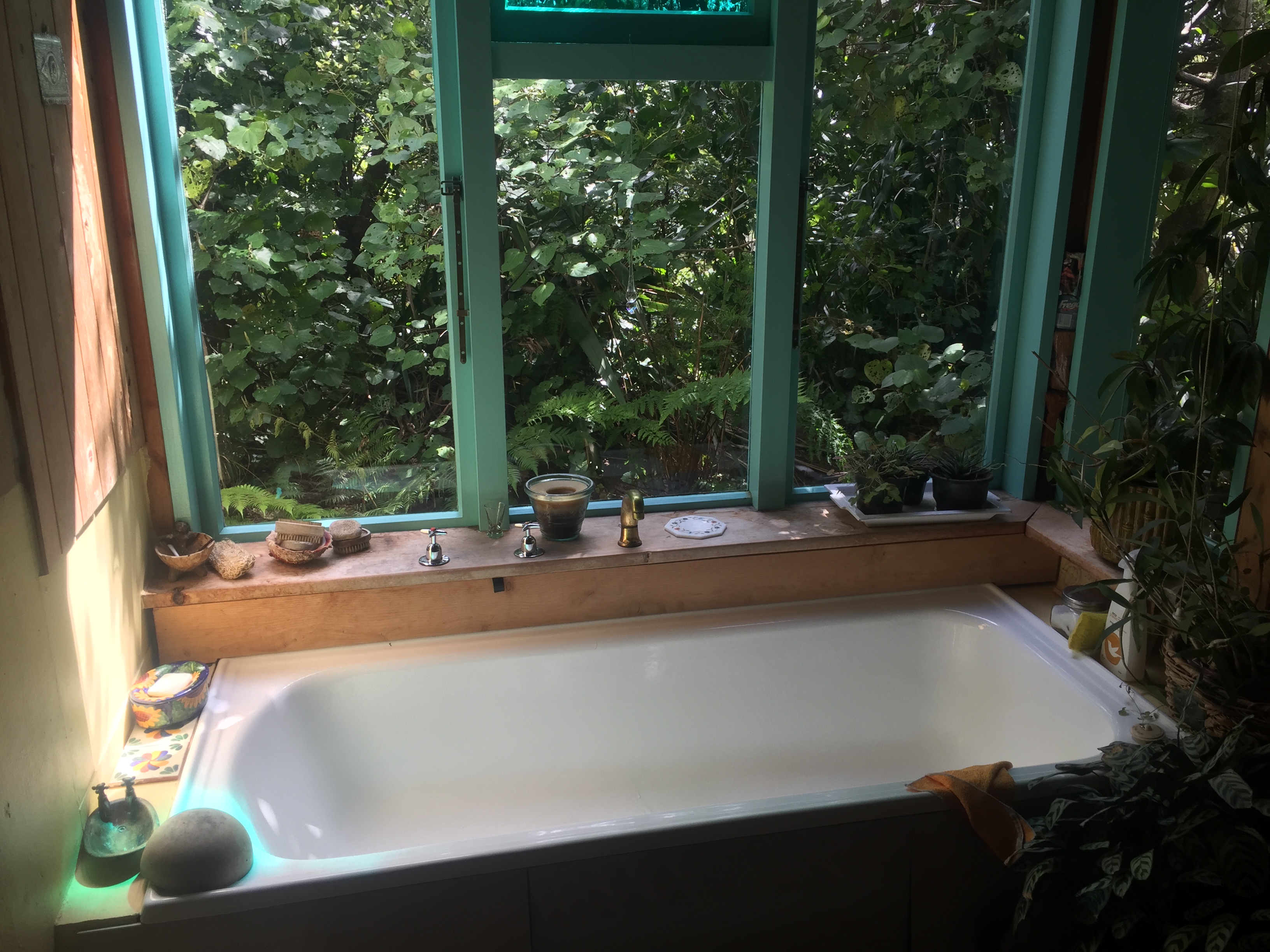
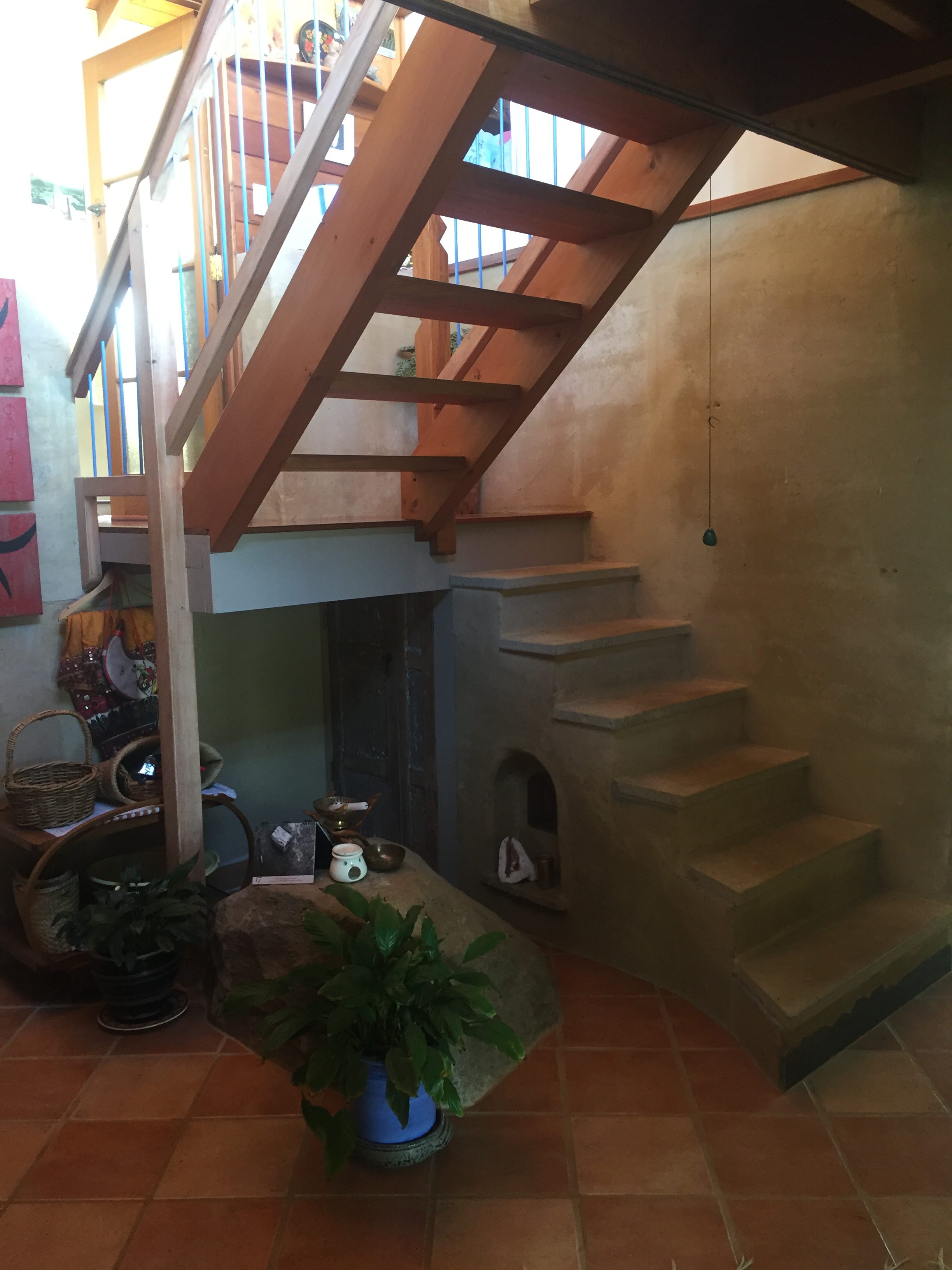
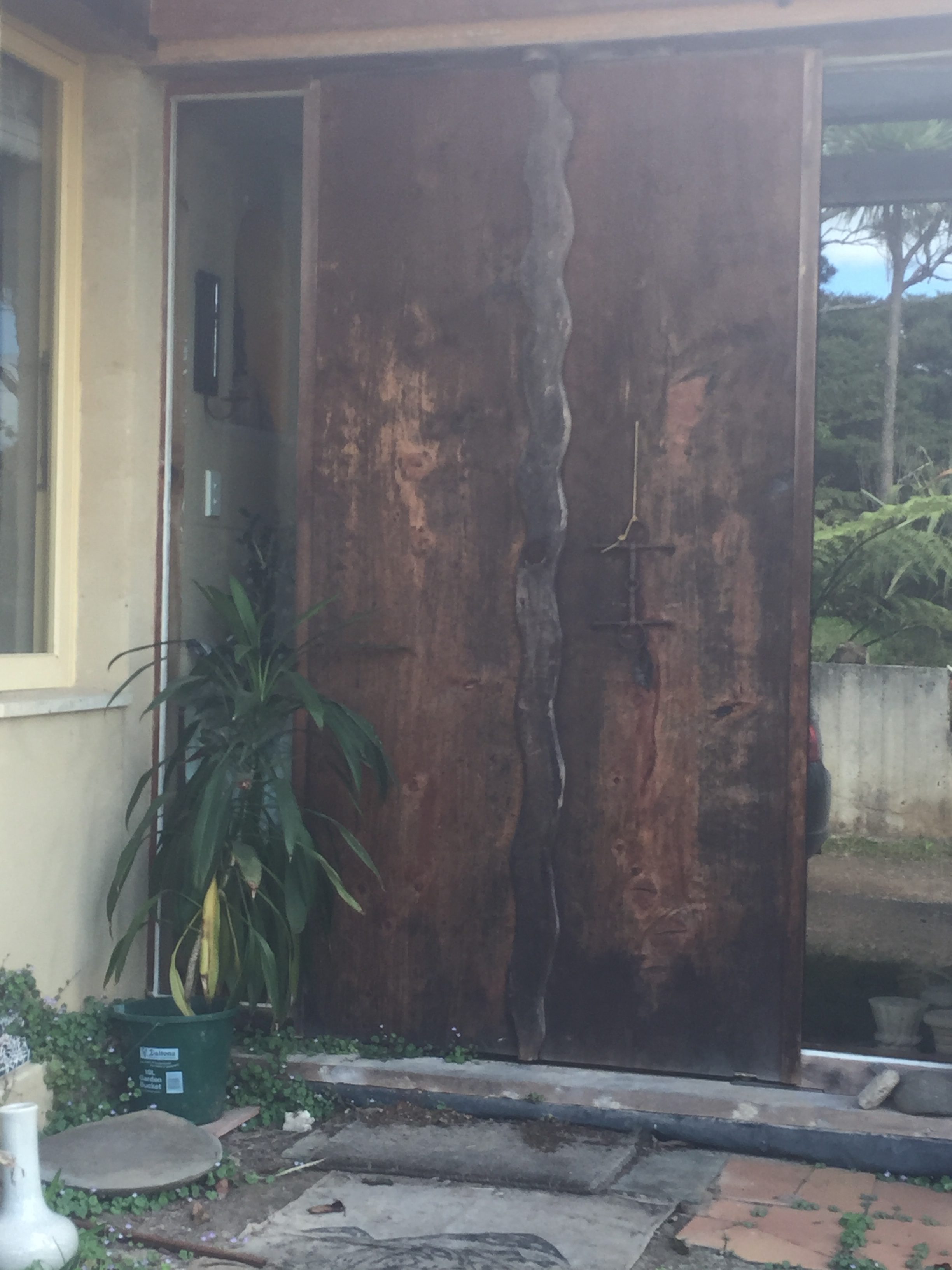
Photo's of the Meade 'earth home'
Beaumont and Snow - Zero-Waste Moguls By Aasha Parle
The zero-waste movement is taking New Zealand by storm with companies like the Binn Inn and Good & Co. which require customers to provide their own reusable packaging, and big-name supermarkets like Countdown phasing out their use of plastic bags, Auckland locals, Ash Beaumont and Thorne Snow, are finding success with their own zero-waste business.
What the Vegan’s mantra ‘advocating for our planet’ is strongly supported by the products it sells.
“Everything we sell on the website is created by us, by hand, out of upcycled fabrics,” said Beaumont.
Enlarge
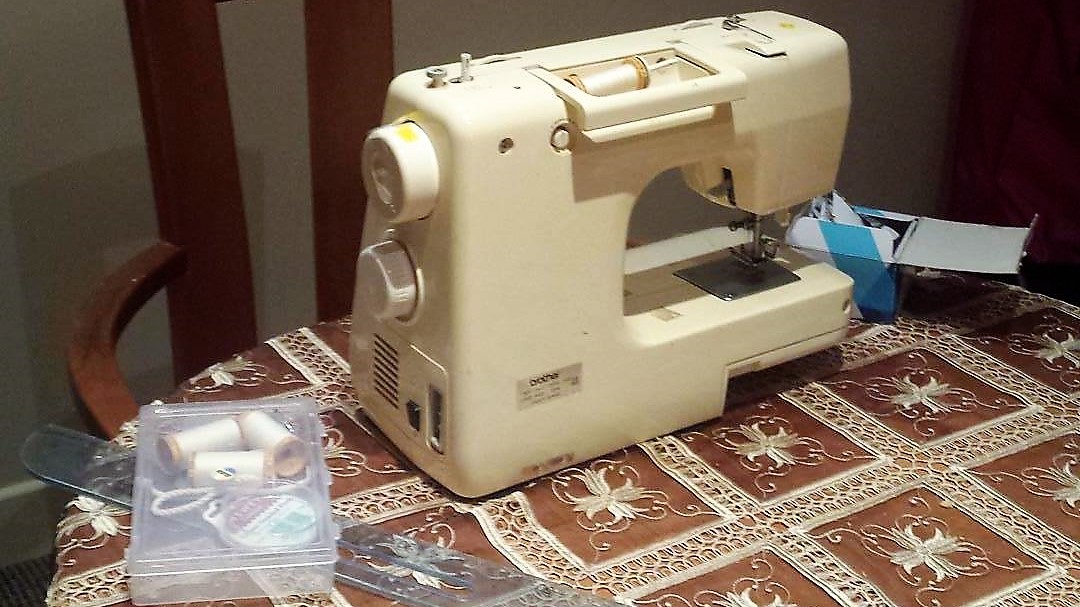
Supplied - Ash Beaumont
What the Vegan is backed by zero-waste and vegan ethics. The products are all cruelty-free and eco-friendly, as well as not using any animal products whatsoever.
“We started WTV because we initially saw a lack of reasonably priced vegan products,” said Beaumont. “Since then we’ve shifted our goal to focus on being more environmentally friendly.”
Products are made by hand where applicable, like the drawstring bags which are hand sewn by Beaumont. There are few exceptions to this rule, like their metal straws. However, these are all sourced ethically and come in compostable packaging.
Enlarge
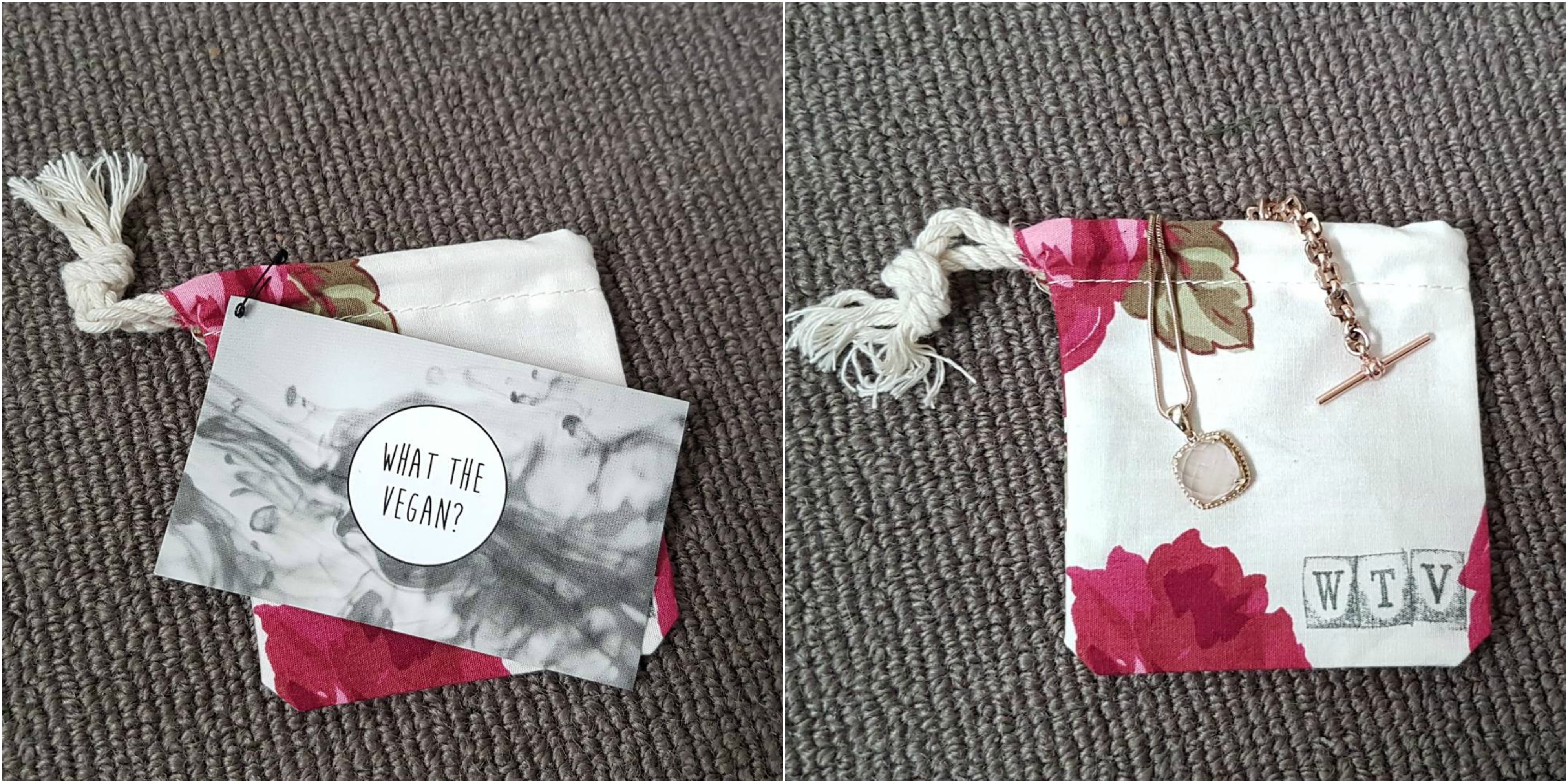
Photo by Aasha Parle
The fabrics used are all second-hand, thrifted from local Auckland and Wellington op-shops.
People are realising the way we are living and managing our waste is no longer sustainable
“One of the main driving forces surrounding zero-waste is climate change. With so much information surrounding the environmental changes in the world, people are realising the way we are living and managing our waste is no longer sustainable for the long-term,” said Snow.
Beaumont is pleased with current efforts to reduce landfill waste. “Huge contributors to plastic waste are the retail and supermarket industries,” said Beaumont, “but we are seeing more and more people combat this with re-useable bags.” Supermarkets like Countdown and New World have been selling their own branded tote bags for grocery shopping, and are working on phasing out their own plastic grocery bags by 2018.
“There needs to be a lot of advertising about these bags, reminding people that they are an option.”
Bulk bin suppliers are another of Beaumont’s favourites. The Binn Inn is one such chain in New Zealand that sells grains, cleaning products, and household items without packaging. Patrons can pay by weight and fill up their own bags and containers.
“Seeing zero-waste [stores] coming into the mainstream is so exciting,” said Snow.
Lush Cosmetics is another company moving closer to zero-waste initiatives. All products are cruelty-free and largely Vegan. 100% of the plastic used for their products is made from recycled materials, and when customers return five empty pot, they receive a free product.
Beaumont and Snow are both third-year university students, and use What the Vegan as a “side hustle” through their study.
Though they both come from Auckland, Beaumont moved to Wellington in 2015 to study at Victoria University.
“It’s definitely not as easy to run the business so far apart,” said Beaumont, “but Thorne and I are a sort of Dream Team.”
Wax wraps are the latest addition to the What The Vegan shop. These are a plastic wrap alternative for storing food which is a compostable and reusable alternative.
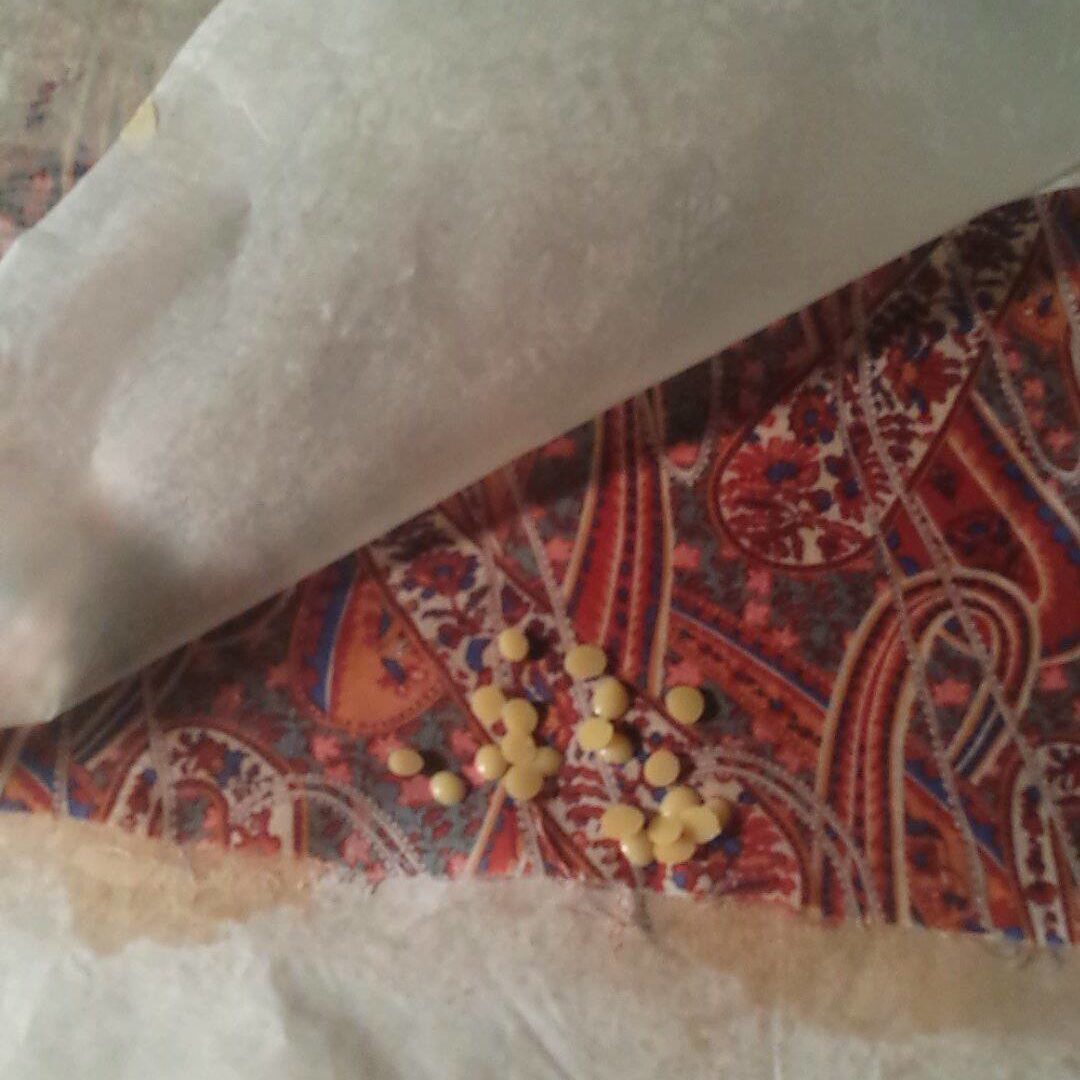
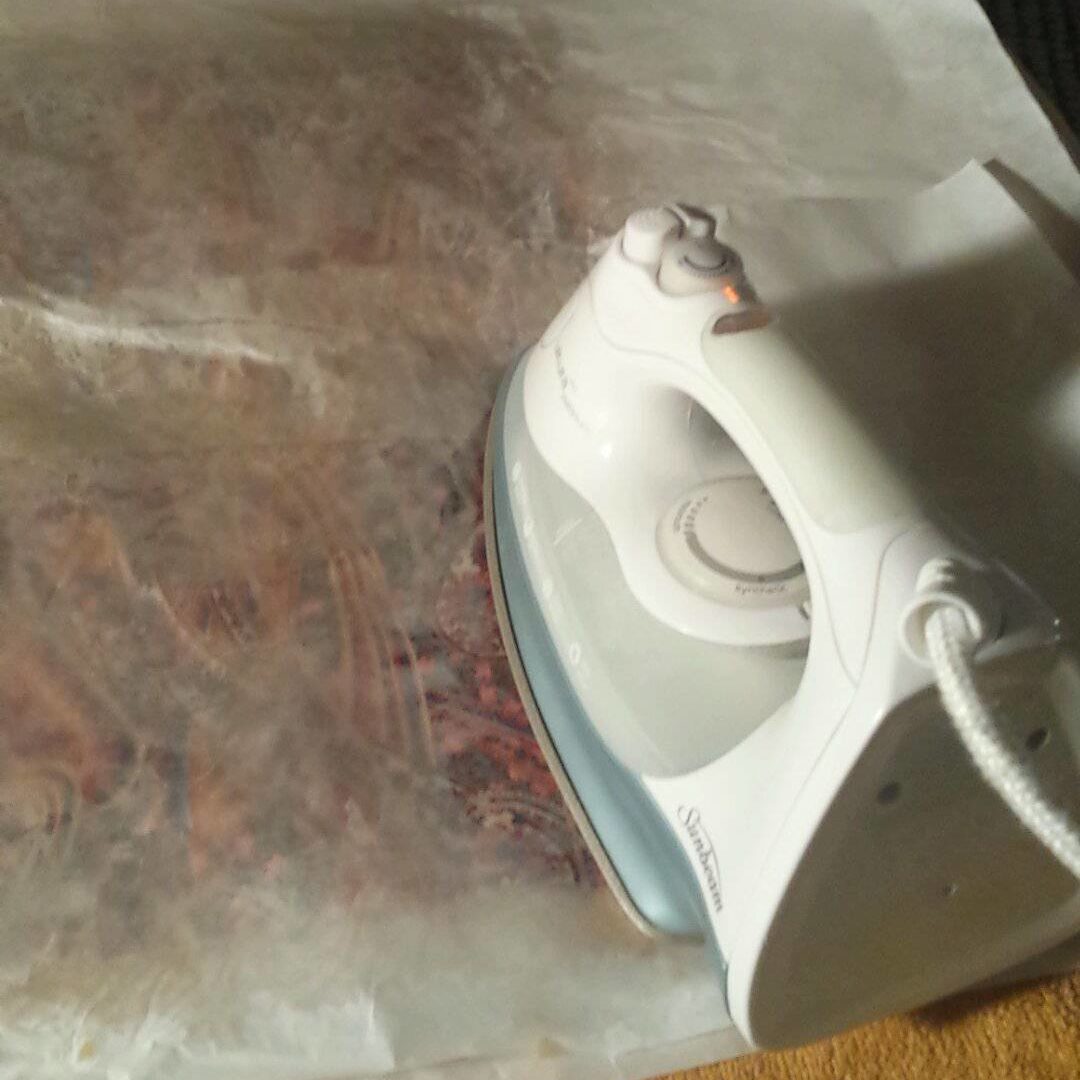
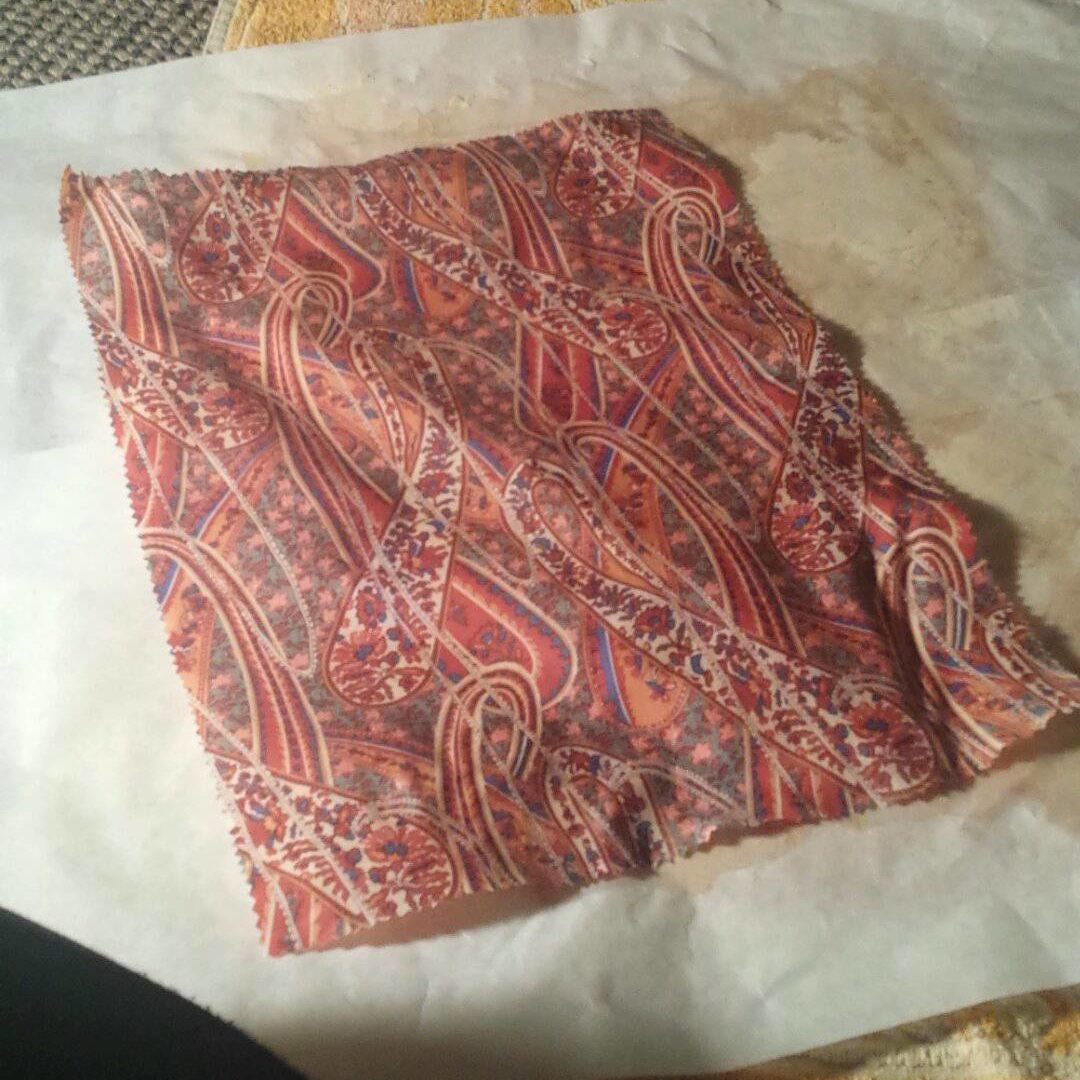
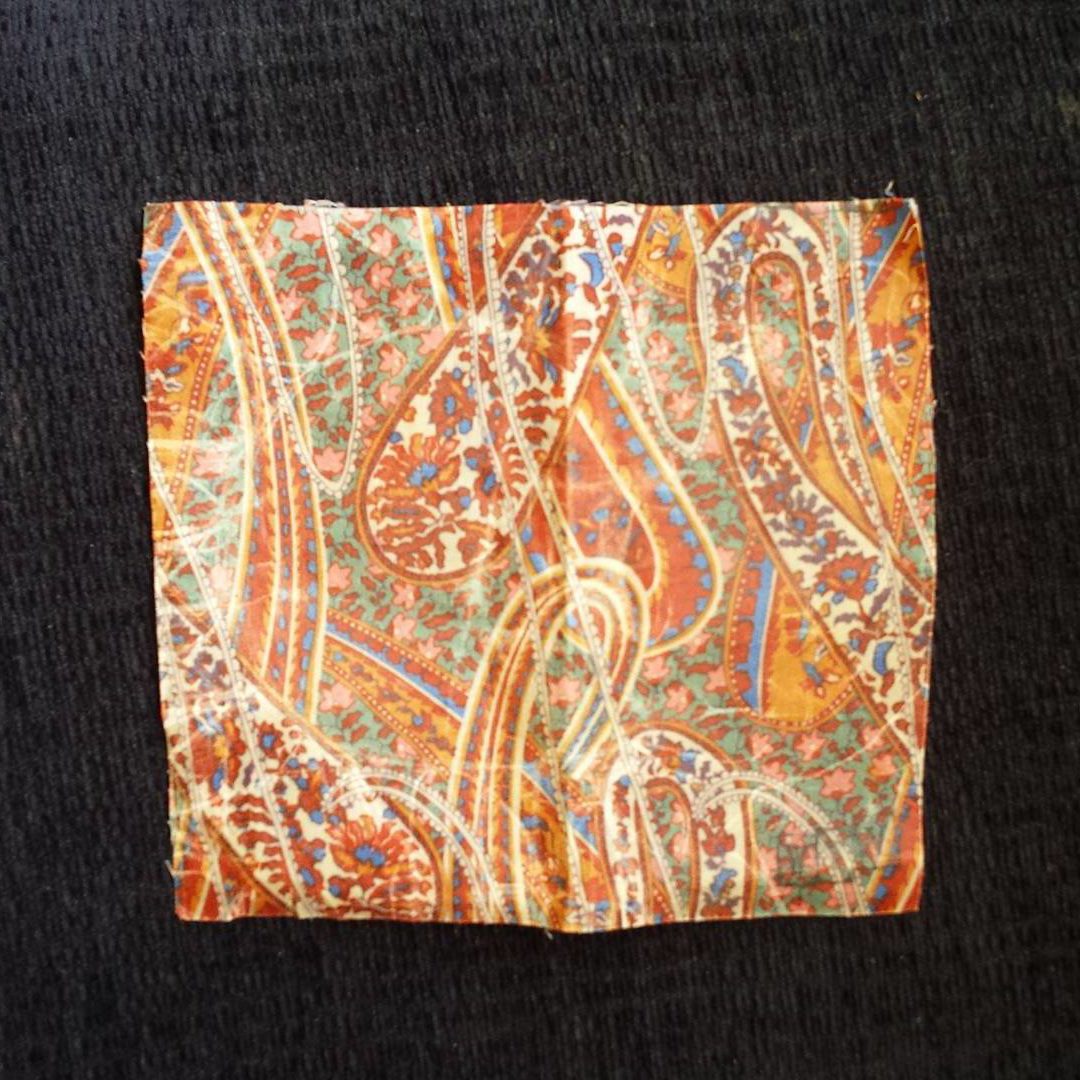
Process of creating a wax wrap Supplied - Ash Beaumont


